

So much of everything we do these days is dependent upon electricity, so when there’s a power cut, we need to rapidly adapt what we do and how we do it.
The large regionwide power outage that happened last month was one of those situations and provided a few lessons.
Power outages can disrupt water supply and sewerage networks by preventing pumps and treatment facilities from operating.
We have around 80 sewage pump stations, but only the larger, critical ones have generators. The remaining ones can stop working and will back up and overflow once the onsite storage reaches capacity.
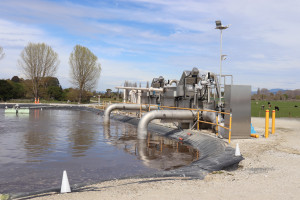
The treatment plants themselves can also be affected, particularly in our rural areas, although the oxidation pond treatment does provide some buffer treatment for a day or so without power.
As we found in the last outage, some alarm systems that monitor sewage overflows failed briefly, as they also require power to operate and have limited battery backups.
Fortunately, we made it through without any major disruptions, but in the future, if you experience problems or see an overflow, please let us know so we can sort it out.
At home, you can help by reducing water use by only flushing the toilet when necessary, avoiding long showers and not letting taps run. This will limit the extent of sewage overflows experienced in a power outage and help conserve drinking water supplies.
... And the advice from Civil Defence is to store at least three days of drinking water, which is nine litres per person, in case of an emergency.